Category: Uncategorized
-
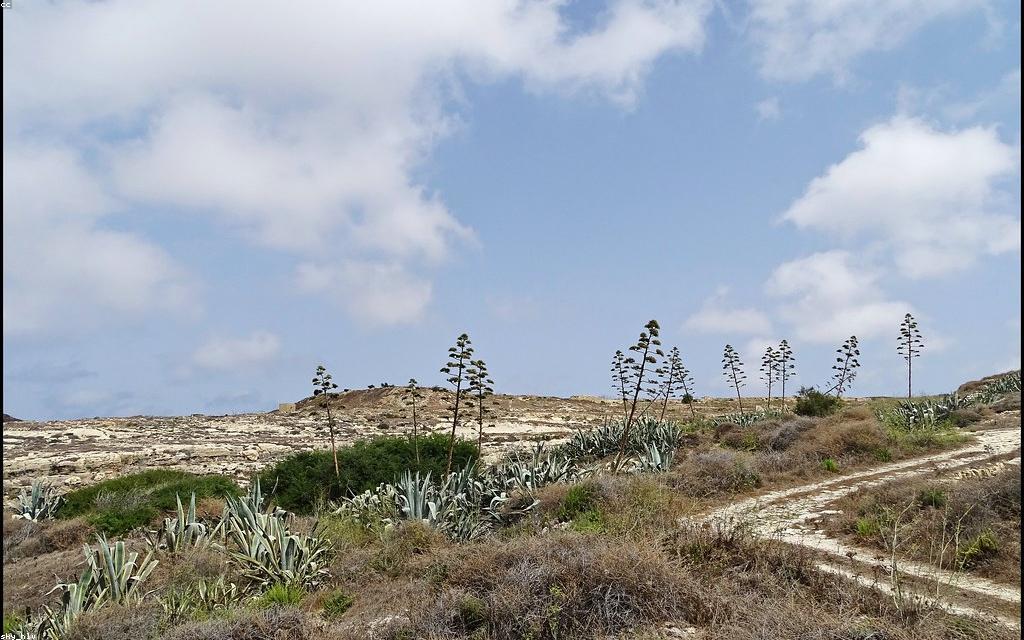
Understanding the Wantok System and Its Place in Modern Papua New Guinea
Few social structures shape daily life in Papua New Guinea as deeply as the wantok system. The word “wantok” comes from Tok Pisin, the country’s most widely spoken lingua franca, and literally means “one talk” or “one language.” In practice it describes a web of obligations and loyalties that binds people who share a common…
-
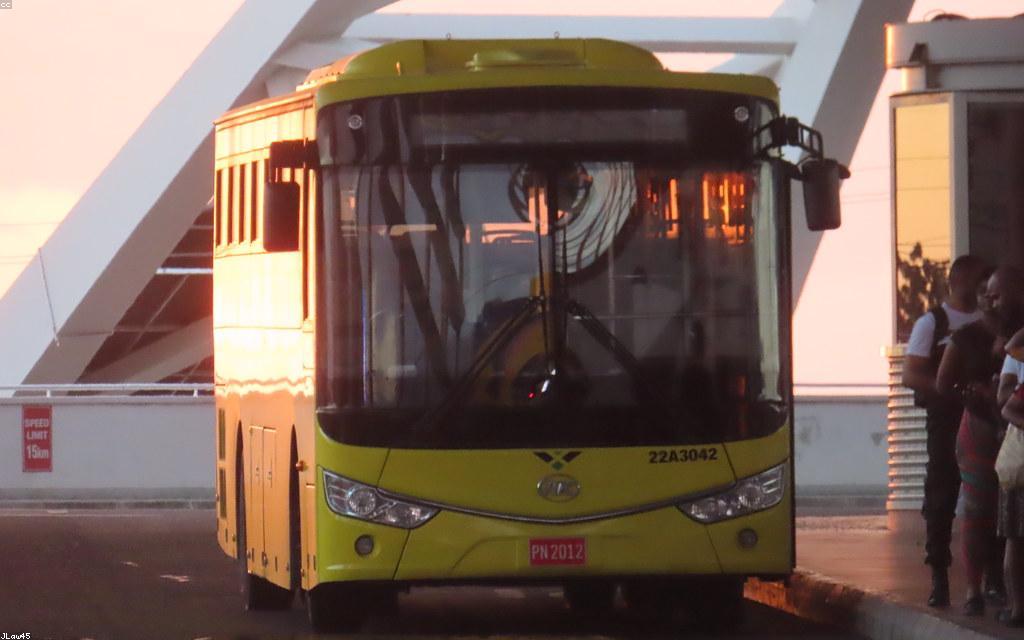
The Living Tradition of the Goroka Show in the Eastern Highlands
Each September, the cool mountain town of Goroka in Papua New Guinea’s Eastern Highlands Province transforms into one of the most visually overwhelming cultural gatherings on earth. The Goroka Show, a sing-sing that brings together more than a hundred tribal groups, is a celebration of identity, artistry, and endurance that has grown from a colonial-era…
-
How Tok Pisin Became the Voice of a Thousand Languages
In a country where more than 800 languages are spoken, the question of how anyone communicates across communities is far from trivial. The answer, increasingly, is Tok Pisin. This vibrant creole language has grown from humble and even painful colonial origins into one of the most important unifying forces in Papua New Guinea, spoken by…
-
Kina, Shells, and Currency: The Story of Money in Papua New Guinea
The official currency of Papua New Guinea is the kina, and the smaller unit is the toea. To a casual observer these are simply the names on banknotes and coins, but the choice of those names tells a deeper story about how value, exchange, and wealth have been understood across the country for centuries. Long…
-
Birds of Paradise: Papua New Guinea’s Most Treasured Natural Symbol
No creature is more closely associated with Papua New Guinea than the bird of paradise. Its image graces the national flag, the currency, the national airline, and countless cultural performances. Yet beyond its role as a symbol, the bird of paradise is a genuine marvel of the natural world, the product of millions of years…
-
Yam Festivals and the Sacred Art of the Trobriand Islands
Off the eastern coast of Papua New Guinea lie the Trobriand Islands, a small archipelago that has captured the imagination of anthropologists and travellers for more than a century. Famous for their matrilineal society, their intricate exchange systems, and their vivid festivals, the Trobriands offer a window into a way of life where yams are…
-
Navigating the Kokoda Track: History, Hardship, and Remembrance
Few places in Papua New Guinea carry as much weight in the national and regional memory as the Kokoda Track. This narrow, rugged trail winding through the Owen Stanley Range was the setting for one of the most gruelling military campaigns of the Second World War, and it has since become a place of pilgrimage,…
-
The Challenge and Promise of Papua New Guinea’s Natural Resources
Papua New Guinea is extraordinarily rich in natural resources. Beneath its rugged mountains and within its surrounding seas lie substantial deposits of gold, copper, oil, and natural gas, alongside vast forests and fertile land. These endowments shape the national economy, dominate government revenues, and feature heavily in political debate. Yet the relationship between resource wealth…